Serving Williamsburg, Park Slope, Brooklyn Heights, Bushwick, DUMBO, and nearby Brooklyn neighborhoods.
Electrical troubleshooting, panel upgrades, EV charger installation, and residential & commercial electrical service across Brooklyn.
Brooklyn electrical support built for brownstones and active streetscape properties
Brooklyn combines diverse building stock with a wide variance in electrical condition. From older brownstones and townhouses to storefront-led retail blocks, many properties carry decades of incremental upgrades. Eli starts with a clear diagnostic process before recommending any major changes, because the first visit should explain what is failing and why.
Residential owners and operators in Brooklyn often ask for practical scope and predictable timing. In property clusters like Williamsburg and Park Slope, reliability pressures are similar: keep spaces occupied, avoid unnecessary demolition, and prevent repeat visits. That makes a staged, documented approach essential.
Common Brooklyn building types and practical issues
A large share of Brooklyn calls involves brownstones, cooperatives, and mixed-use storefront-to-residential transitions. Frequent complaints include unstable kitchen circuits, intermittent outlets, breaker trips at peak load, and dimming/overload symptoms from undocumented tenant modifications. These signs are usually diagnosable with circuit mapping and targeted load testing.
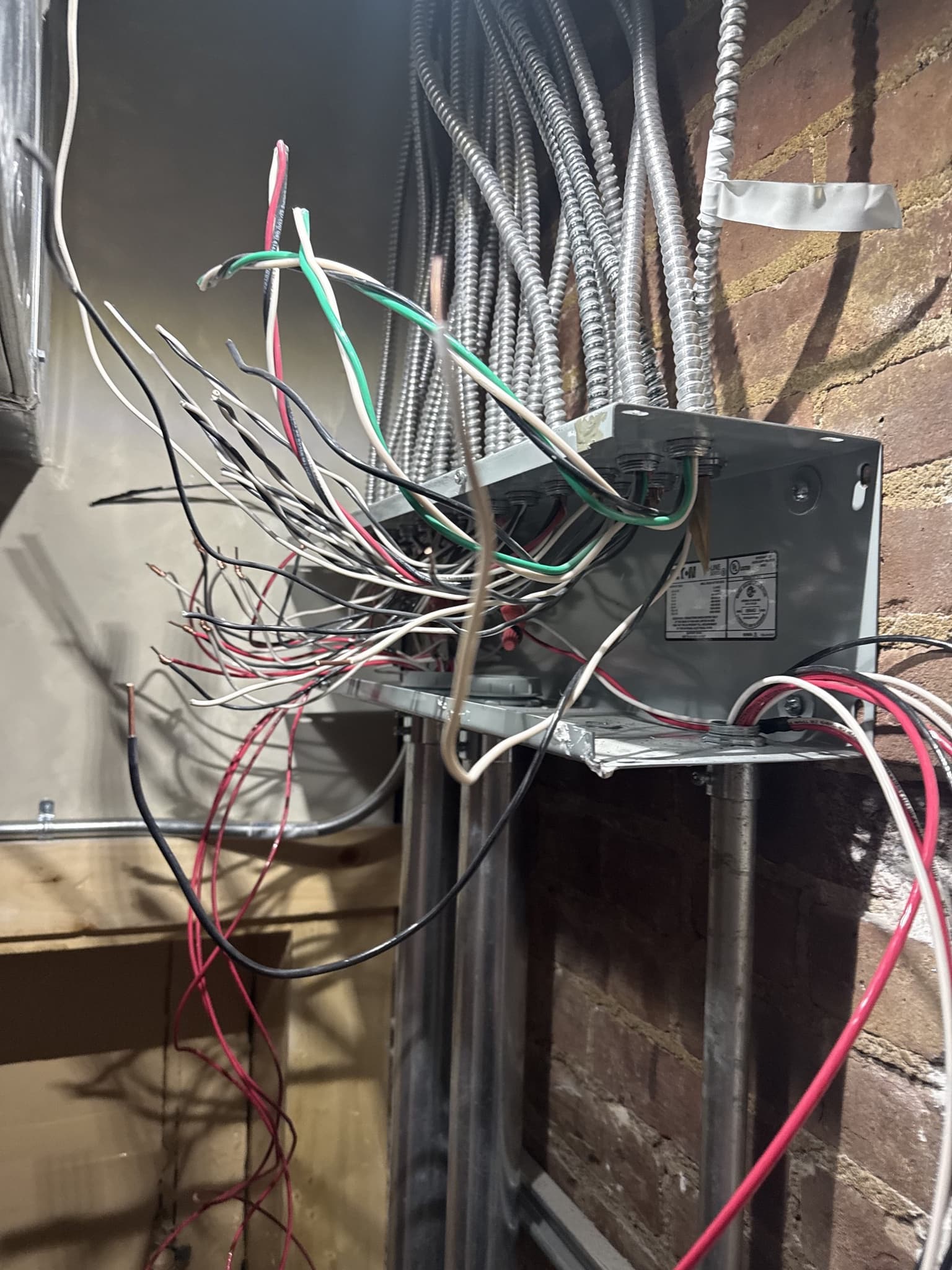
Older wiring and legacy junction layouts appear frequently in Brooklyn’s older neighborhoods, especially where renovations were completed in phases. Worn devices, split-load panel pressure, and service labeling mismatches can create difficult-to-trace intermittent faults. We evaluate each condition before scope expansion so owners are not charged for avoidable corrective work.
Service options relevant to Brooklyn demands
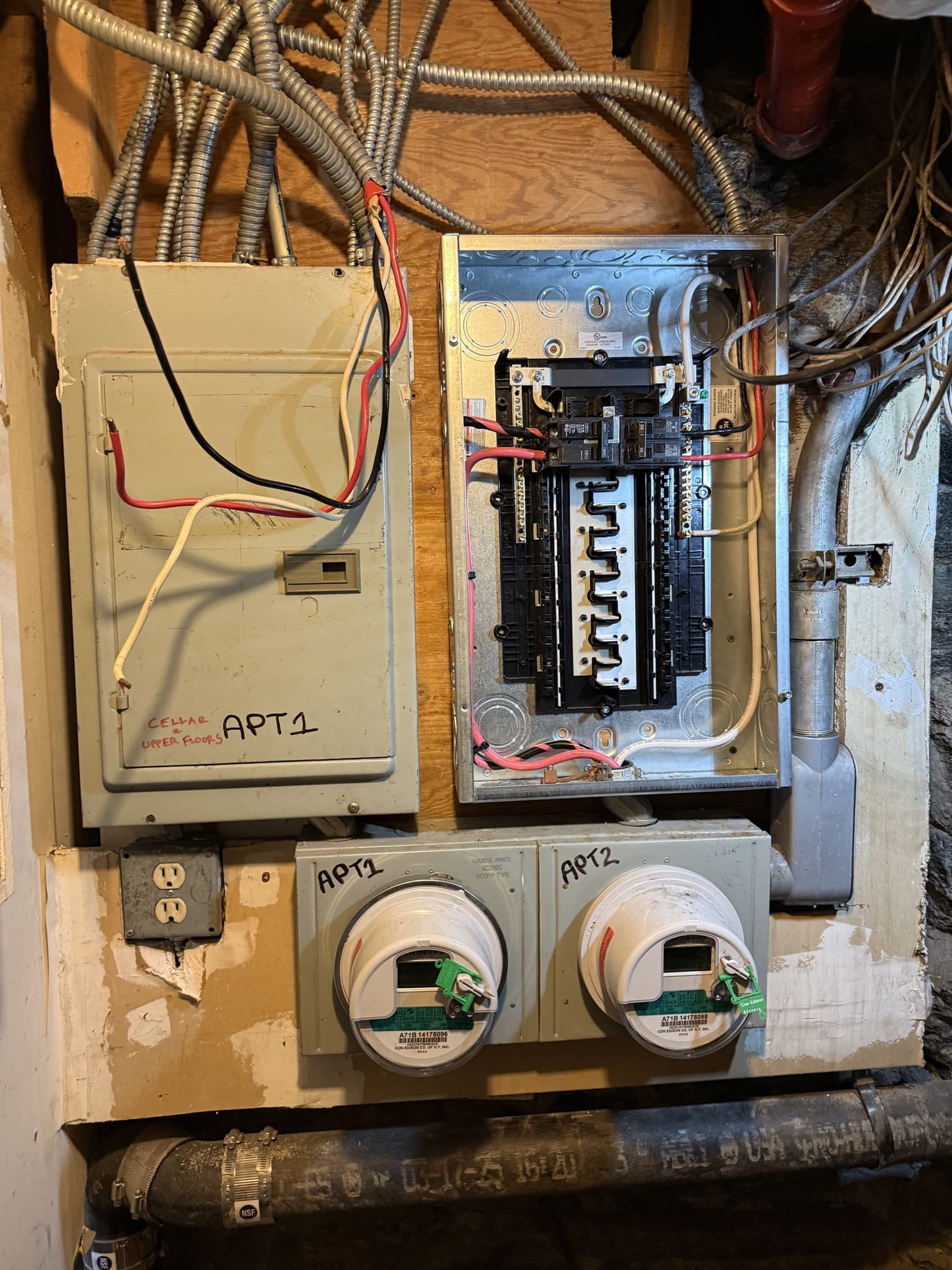
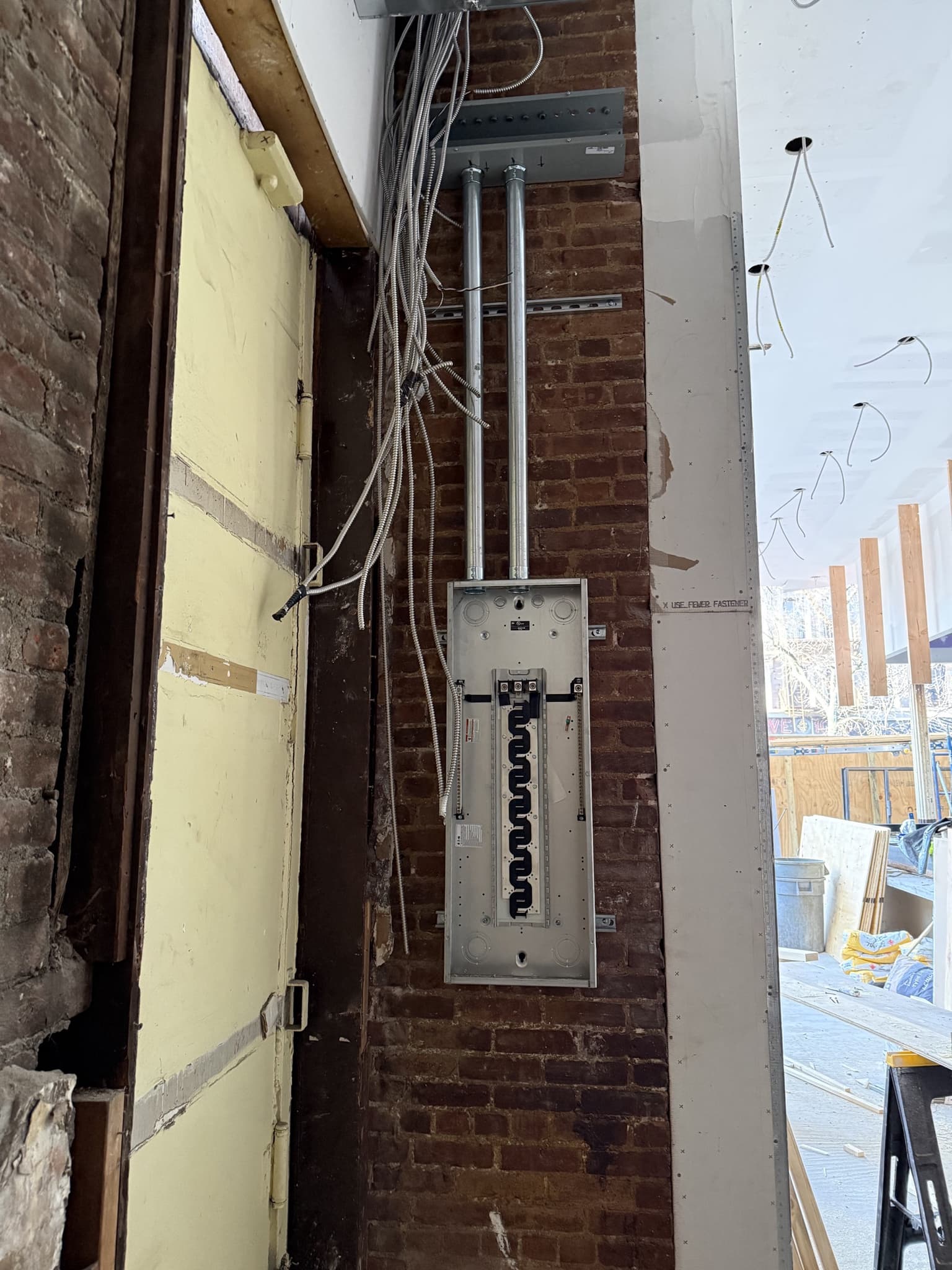
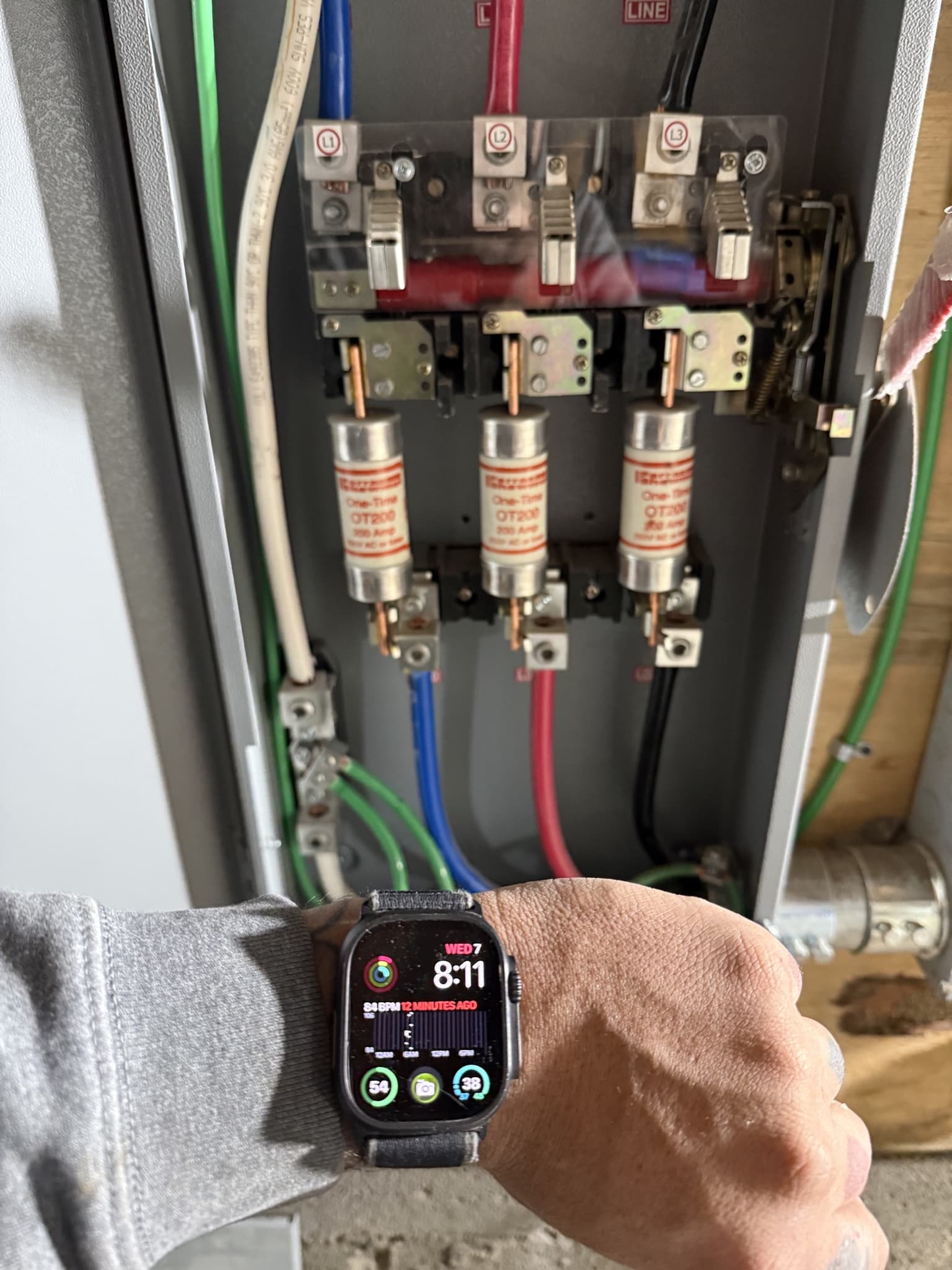
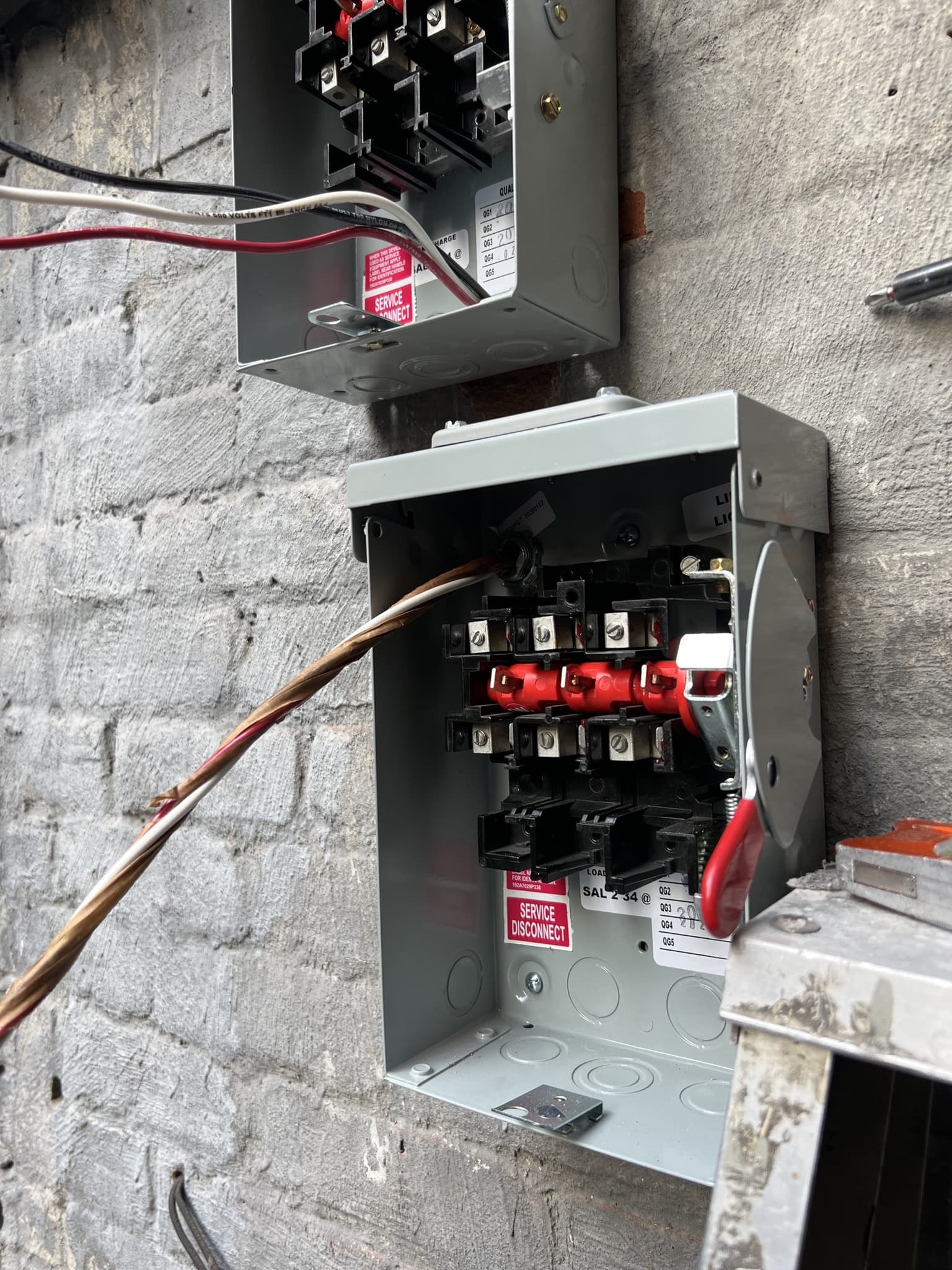
For recurring faults, electrical troubleshooting is the first practical step. For overload patterns and major lifecycle limits, panel upgrades are often the most durable option. For appliance-heavy neighborhoods, dedicated circuits can separate high-demand loads from core dwelling circuits.
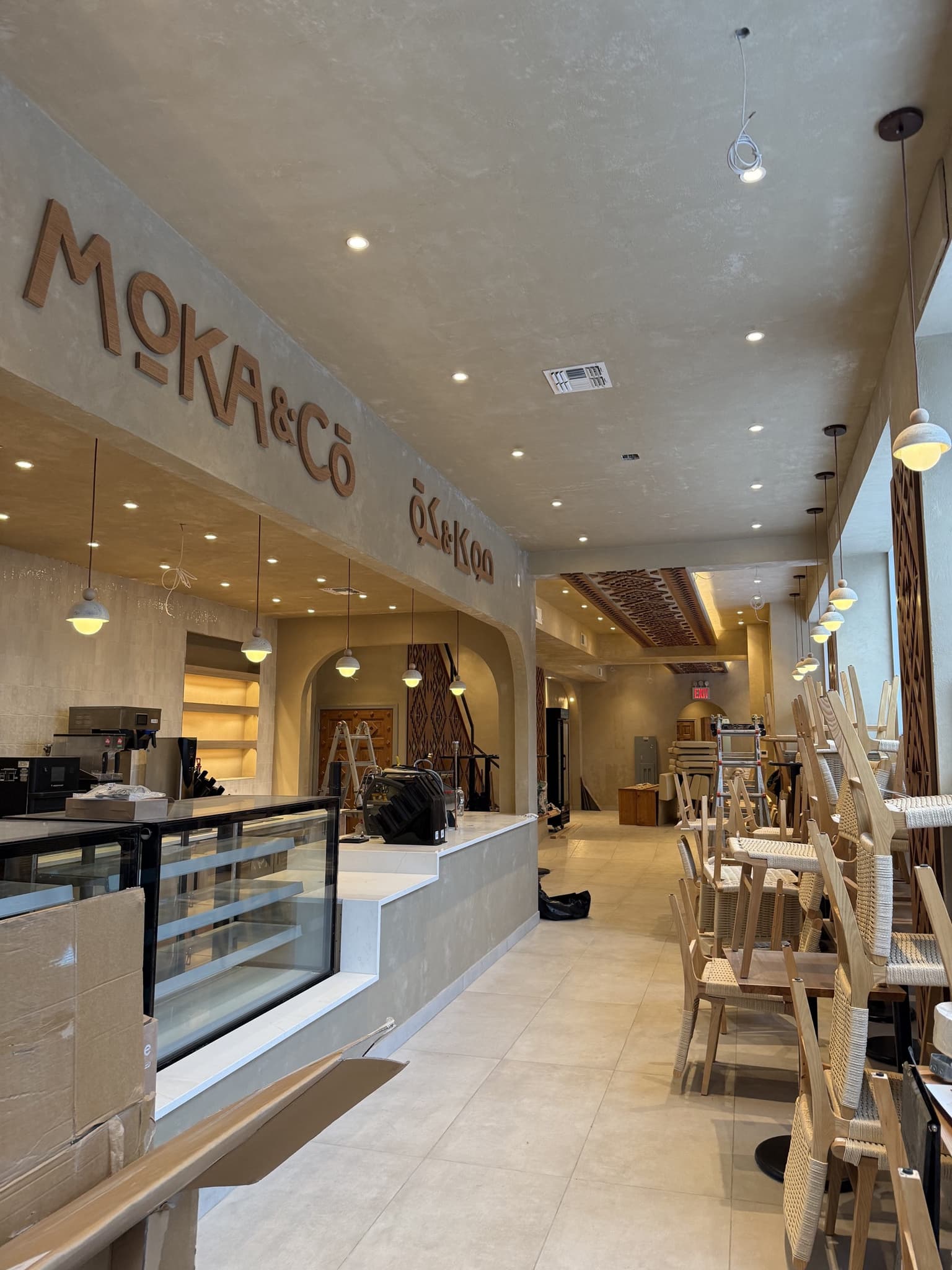
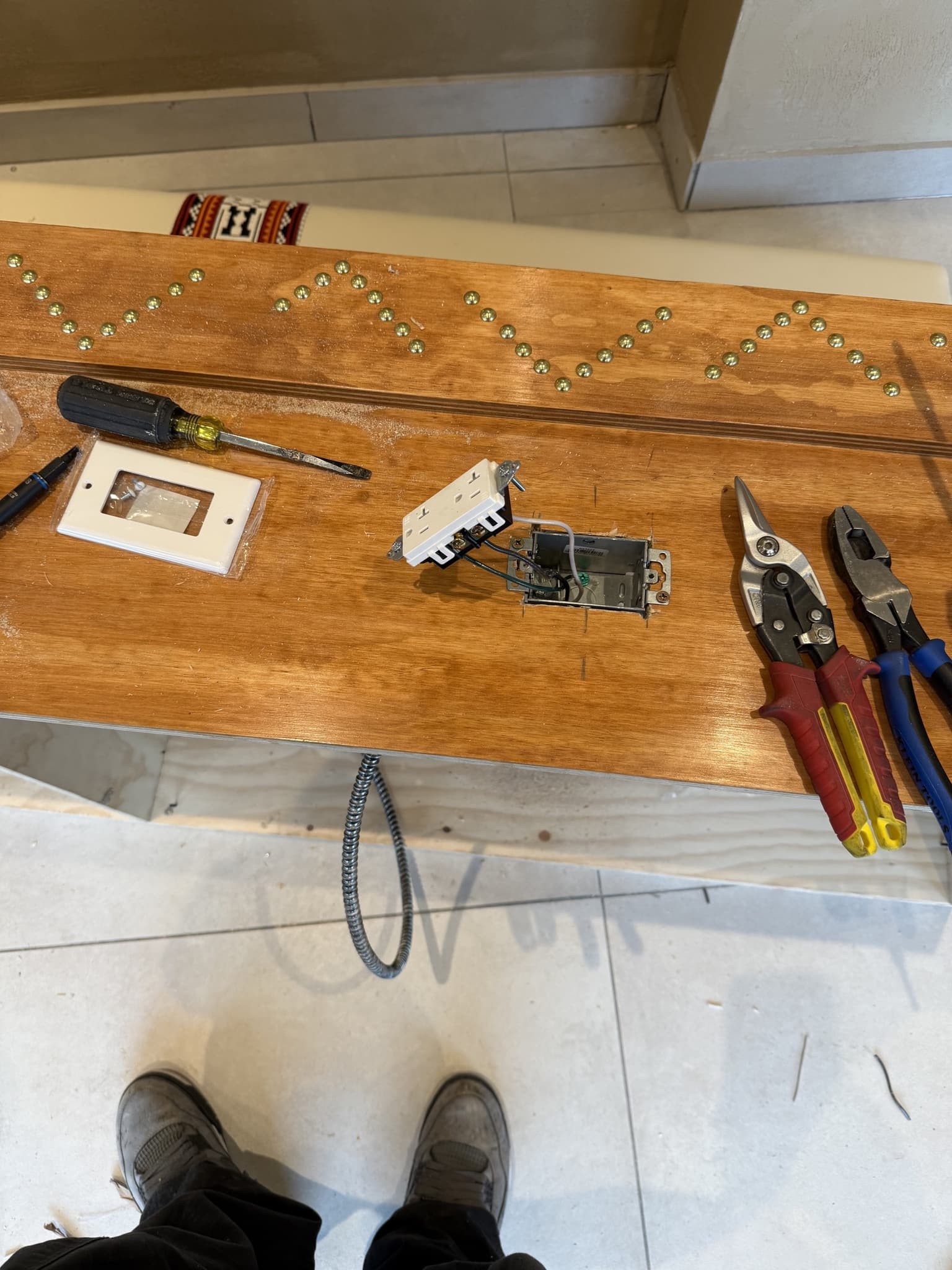
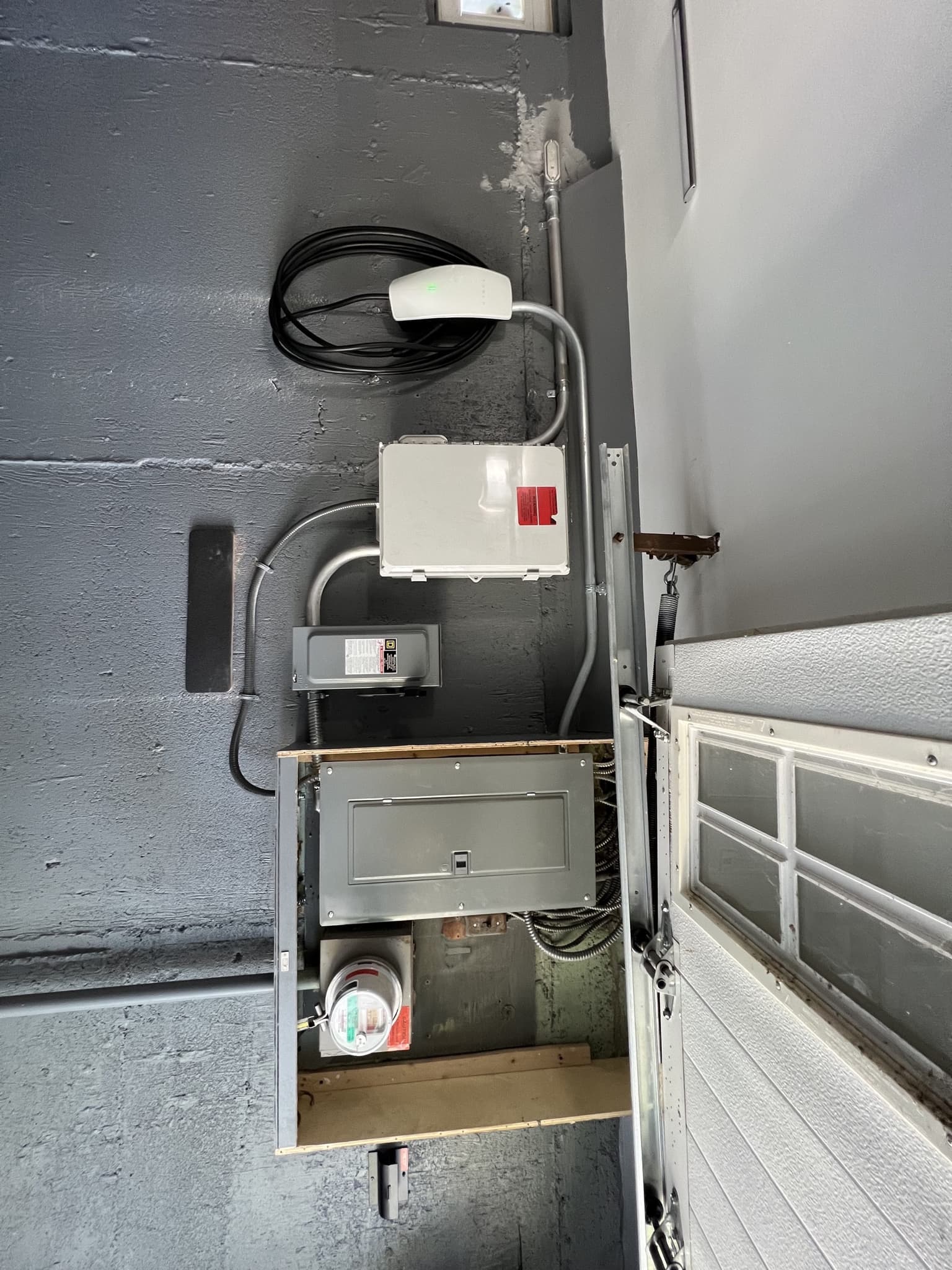
Brooklyn commercial storefronts commonly request signage and lighting updates, plus GFCI and outlet modernization during tenant turnover. We also evaluate EV charger installation where property layouts include private or shared parking and shared infrastructure considerations.
Access, scheduling, and co-op aware execution
Many Brooklyn jobs run in occupied buildings where access windows are narrow. The service model therefore prioritizes pre-call planning: identify impacted routes, confirm gate access, and define expected occupant impact. This reduces friction and prevents repeat coordination calls.
Owners in duplex-style buildings and storefront corridors see better results when they combine electrician scheduling with a realistic handoff window. Eli’s approach is to isolate the right scope early, execute safely, then confirm outcome and controls with transparent completion notes.
Choosing confidence over guesswork
Reliable electrical outcomes in Brooklyn are usually the result of disciplined triage. That means identifying the root cause, evaluating whether immediate repair is enough, and reserving larger upgrades for systems that truly require capacity, safety, or code-standards adjustments.
Use this section as your planning entry point for Williamsburg, Bushwick, and nearby Brooklyn neighborhoods: start with the likely service stream, confirm the exact scope, then call to coordinate timing.
Brooklyn calls to action
If you need practical support quickly, call 646-710-0134 and request a callback for scheduling confirmation. If your issue is non-urgent, the callback option helps align inspection and permit sequencing with access needs.
For ongoing maintenance planning, move directly into outlet, switch, and GFCI upgrades and lighting upgrades to keep the property safe and predictable.
Deep Brooklyn property planning for sustained reliability
A practical Brooklyn approach begins by separating urgent risk from efficiency opportunities. We test for signs of age-related degradation such as intermittent flicker, hot conductors, and recurring overloads, then classify whether the solution is protective replacement, breaker coordination, or broader circuit redesign. This reduces rework and keeps recommendations defensible for owners and managers.
In brownstones and duplex conversions, cosmetic finish and electrical access often conflict. We coordinate around both by planning safe working sequences that avoid unnecessary patching. When projects include tenant turnover or finish-sensitive areas, we preserve finishes as much as possible while still completing reliable upgrades.
Common co-op and storefront concerns in Brooklyn
Co-op boards usually expect transparent planning documents before approving access-heavy work. We provide short, plain-language scope notes that identify what is currently failing, what corrective action is urgent, and what optional upgrades can be staged later. This method is especially important in properties with mixed ownership structures where decision cycles can be longer than expected.
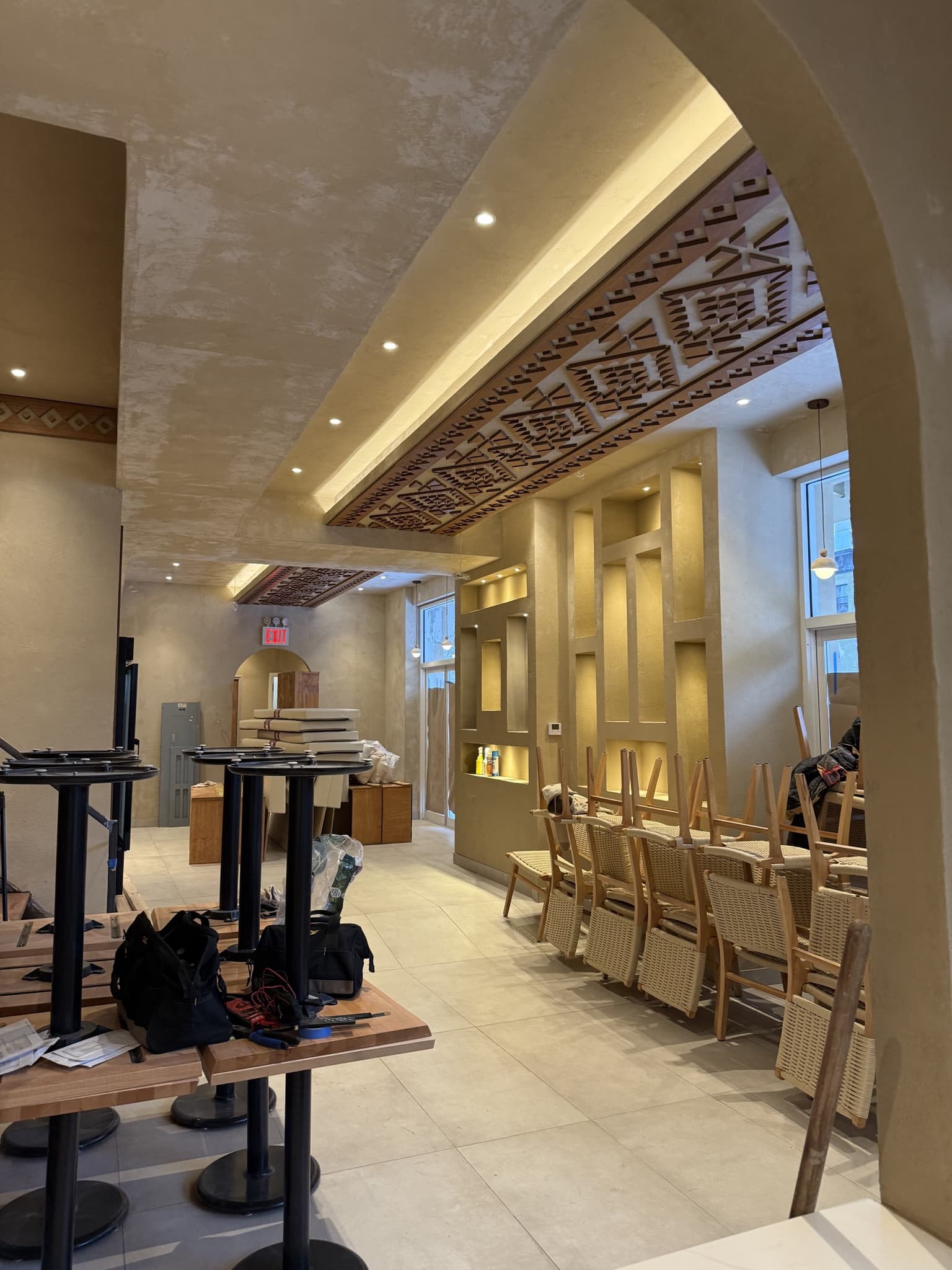
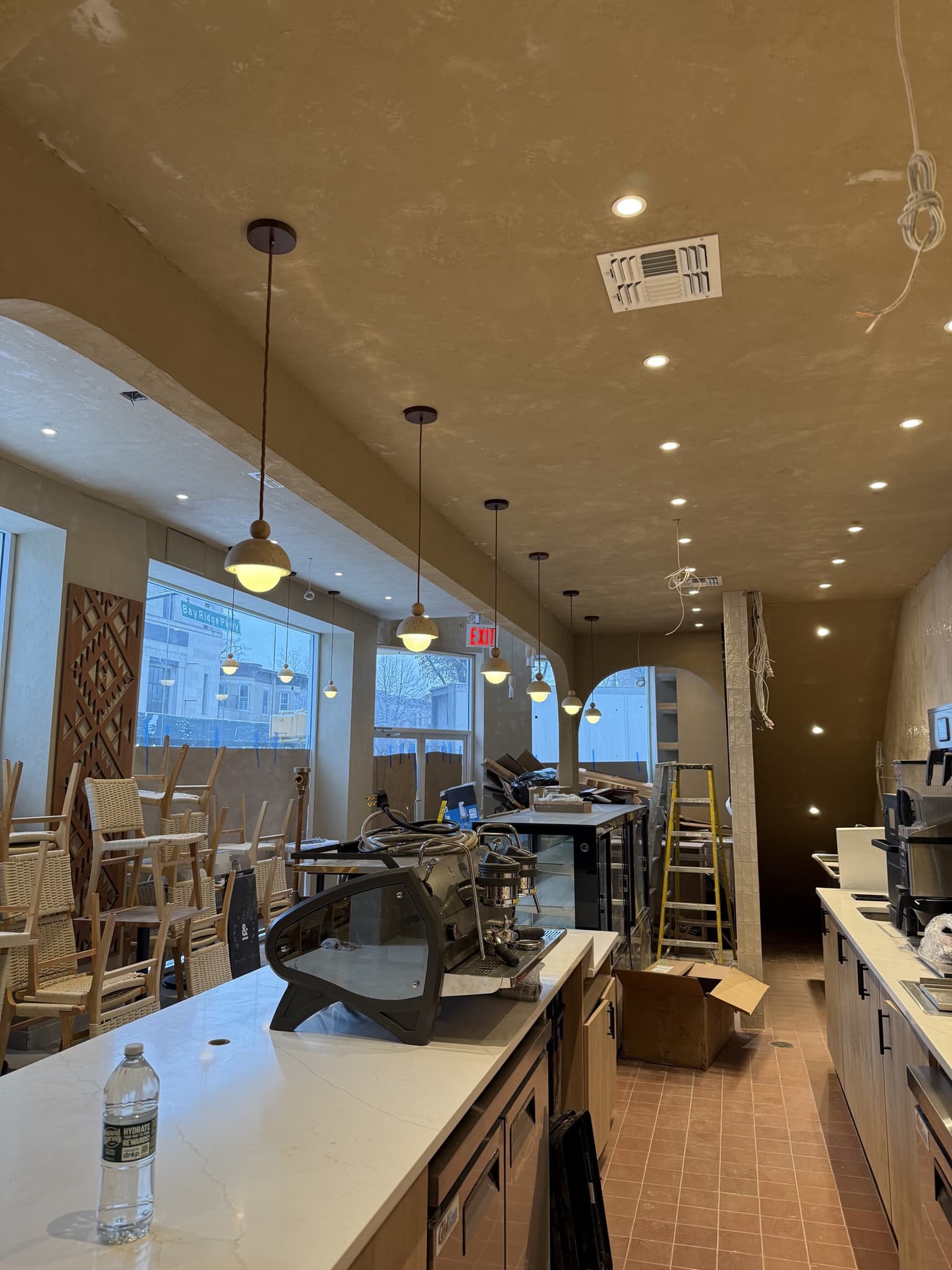
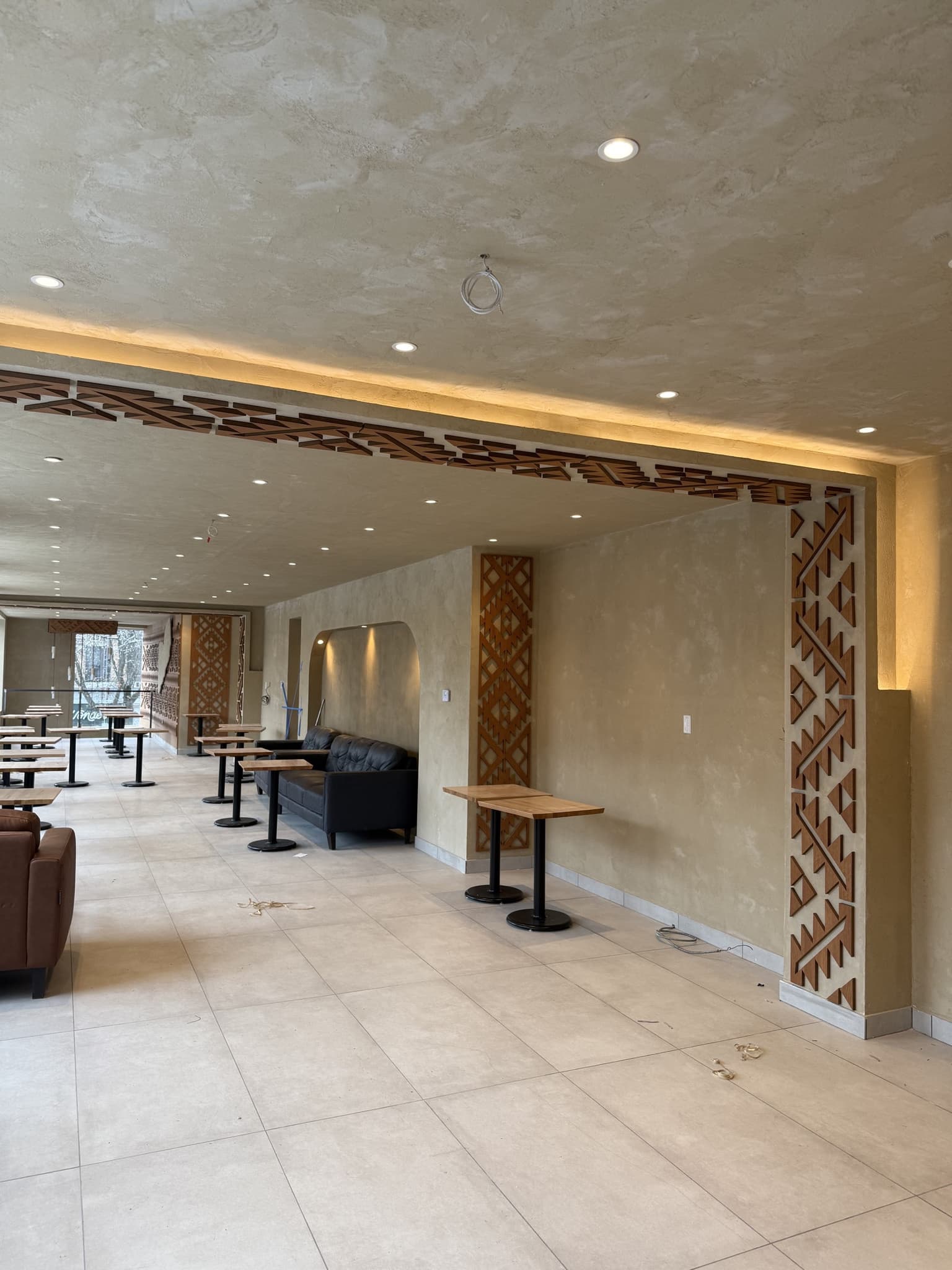
For storefront operators, reliability matters for customer-facing operations, so we prioritize safety systems, lighting stability, and breaker's ability to handle peak usage. If a lighting load or sign circuit repeatedly drops, we isolate the branch early and confirm whether the cause is wiring quality, device aging, or upstream distribution limits.
Brooklyn neighborhoods and long-term support
Areas such as Williamsburg, Bushwick, and Park Slope can show broad age variance in the same block. A practical electrician route is to build a baseline electrical profile and then recommend upgrades that match current and anticipated occupancy. That prevents short-lived fixes and reduces future downtime.
For neighborhoods where kitchens and home offices are under high usage, we often phase work to avoid overloading crews and residents in a single visit. This way property continuity improves without unnecessary disturbance while still addressing the root electrical condition.
Brooklyn co-op and office conversion planning
Co-op towers and Brooklyn mixed-use buildings regularly reveal the same pattern: visible issues are symptoms of load sequencing, not isolated faults. In many older units, an old connection may fail first under peak use while another circuit masks the true source until the entire branch is isolated.
That is why service planning starts with a documented run-through of occupant density, kitchen and office device usage, and building governance requirements. Owners in DUMBO and Brooklyn Heights often value that structured approach because it avoids a broad replacement that is unnecessary for a narrow root cause.
Long-term Brooklyn reliability strategy for store-owners
For storefront electricity, reliability is tied to customer experience and business rhythm. A practical electrical plan in Brooklyn storefronts therefore focuses first on safe restoration, then on durable branch correction where repeated stress indicates design strain.
When an issue repeats, the question is usually not whether a single outlet is faulty but whether the branch logic, panel staging, and usage pattern are aligned. We propose next-step corrections only when data supports durable benefit, giving small operators confidence and minimizing downtime.
Brooklyn callback and service workflow
If you need immediate triage, call 646-710-0134 and request direct scheduling. For staged or non-emergency work, request a callback to reserve time for permit discussions, board coordination, and contractor alignment.
Properties in neighborhoods like Williamsburg and Park Slope often move quicker when service scope is linked directly to service anchors on this page, so owners can compare troubleshooting, panel upgrades, and EV charging readiness before final dispatch.
Continue with quick context links by comparing:electrical troubleshooting,panel upgrades, andEV charger installation.